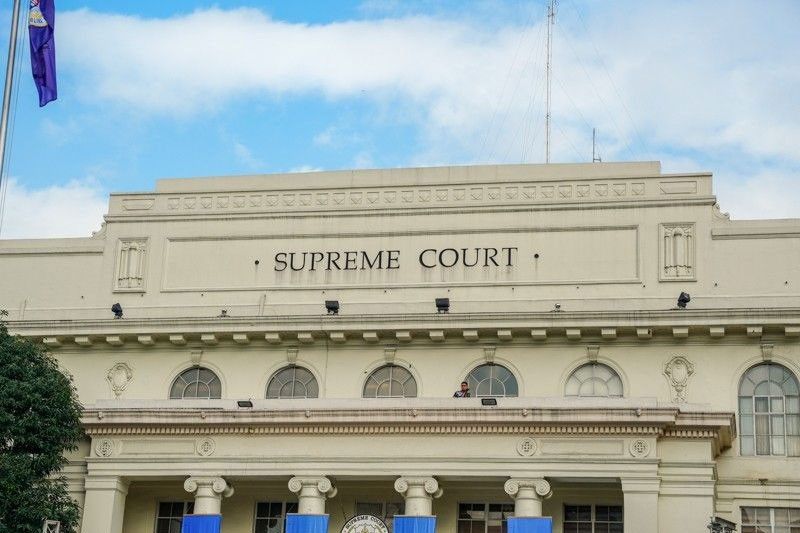
The Office of the Solicitor General (OSG) announced on Thursday, October 22, that it will ask the Supreme Court to clarify and partly reconsider its ruling on the constitutionality of unprogrammed appropriations, according to Philstar.com. The OSG said it respects the High Court's decision but has reservations about particular conditions the Court attached to it.
The ruling, issued on October 7, struck down provisions in the 2024, 2025 and 2026 General Appropriations Acts that allowed unauthorized congressional increases in unprogrammed funds and in certain special accounts. The Court held that unprogrammed appropriations are not unconstitutional in themselves, provided they meet specific conditions.
Why it matters
The decision touches the balance of budget power between Congress and the Executive, and the OSG's move signals that the government intends to test how far the Court's conditions reach. According to Philstar.com, the Palace has also said it will appeal the ruling, meaning the case is likely to stay before the justices for some time.
The dispute matters beyond the courtroom because unprogrammed appropriations are a standing feature of the national budget — funds set aside for items that will only be funded once revenue or foreign financing comes in. How tightly the Court defines the rules for using them will shape how future budgets are drafted and how agencies access money mid-year.
The OSG's argument
In its statement, the OSG said safeguards are necessary to guarantee transparency, accountability and fiscal discipline in spending public money. Its concern, as Philstar.com reported, is drawing the line between safeguards the Constitution itself demands and those that fall within the budget powers the Constitution gives to Congress and the Executive.
The OSG said it will ask the Court to clarify and reconsider parts of the ruling so that the required safeguards do not unintentionally encroach on the budgetary discretion of the legislative and executive branches. It pointed to the twelve separate opinions filed alongside the main decision as evidence of how complex the case is, and said it will study those opinions before taking further steps.
What the Court decided
The Supreme Court affirmed that the President may certify House Bill No. 8980 as urgent and that Congress is free to act on such a certification. It nonetheless found that lawmakers breached Article VI, Section 25(1) of the Constitution by raising the total proposed budget across both programmed and unprogrammed allocations.
Even so, the Court invoked the doctrine of operative fact, which keeps in place programs already carried out in good faith under the 2024 and 2025 budgets, so that beneficiaries are not deprived of them. Philstar.com reported that the justices wrote separately to concur with the judgment while offering differing views on the constitutional defects identified, the scope of the bicameral conference committee's authority, and the practical effects of voiding specific budget items.
Wider reaction
The ruling has drawn responses from several quarters. Philstar.com reported that lawmakers welcomed the decision, and that the Senate has pledged to guard the 2027 General Appropriations Act closely in light of it. Manila Bulletin reported that the Department of Budget and Management has been urged to trace and account for funds following the ruling, while Rappler published an explainer on its practical effects.
The OSG's request now puts the question of the ruling's conditions back before the Court. What to watch: whether the justices agree to revisit the conditions and how the government's appeal, already announced by the Palace, proceeds alongside it.